The Cab Has a Scorecard: Telematics, Seasonal Crews, and Shop-Floor Trust
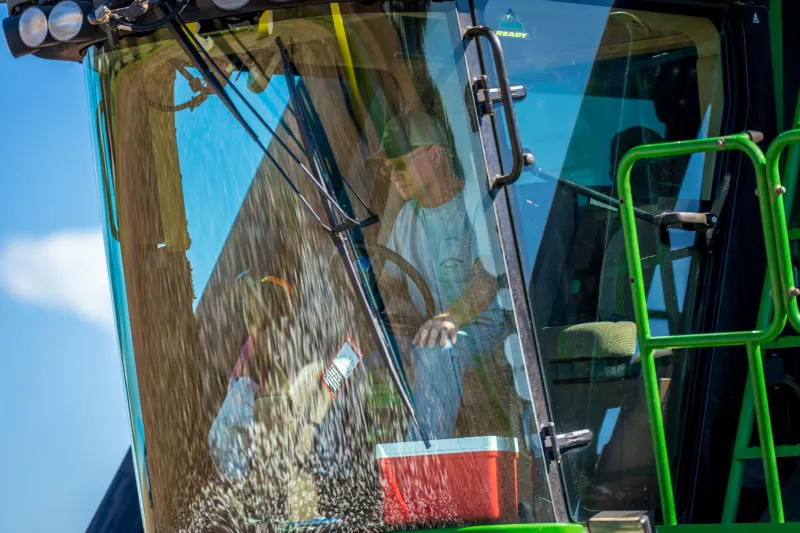
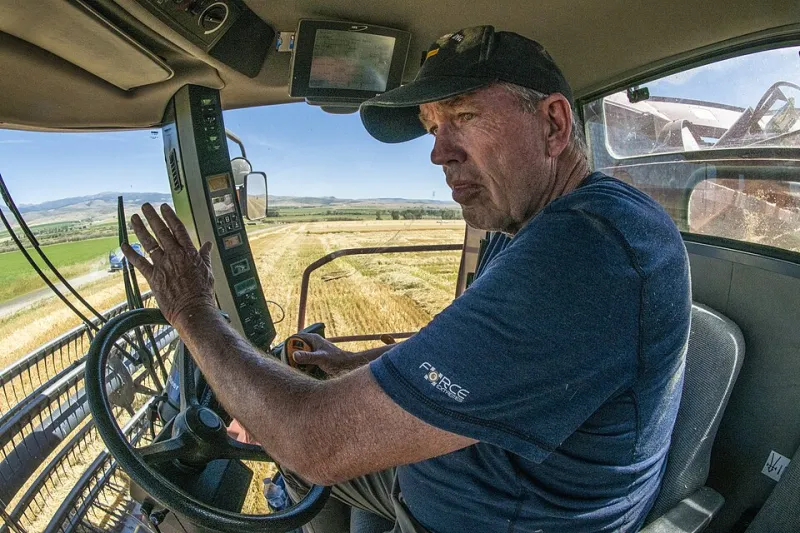
The dashboard is not neutral. It records what the machine does, but it also changes what the operator believes about the job. In 2026, telematics on US farms has moved beyond locating equipment and scheduling maintenance. It now produces operator-level reports: idle time, average speed, overlap, fuel per acre, engine load, and geofence violations. Those numbers can improve a field operation. They can also turn a seasonal crew into a monitored workforce, with all the morale and retention consequences that follow.
What the Data Actually Shows
Telematics is good at measuring machine behavior. It is less good at measuring the reason behind that behavior. A sprayer that sits idle at the headland may be waiting for tender trucks, blocked by a wet spot, or operated by someone who has not been trained on the control system. A tractor that runs at a lower speed may be pulling a heavier implement, or it may be driven by a careful operator who is avoiding overload.
That distinction matters because seasonal labor is not a fleet of identical assets. New operators need coaching. Experienced operators need trust. A report that ranks people by fuel per acre without context will punish the wrong person and teach the rest to game the metric.
The Morale Ledger
Most growers understand the direct cost of turnover: recruiting, training, mistakes, and lost days. They are less comfortable quantifying the cost of surveillance. A crew that feels watched may comply, but it may also stop reporting problems. A driver who fears a scorecard may hide a minor equipment issue rather than trigger a downtime event. A seasonal operator who sees individual rankings posted in the shop may decide that next harvest is a good time to take a different job.
The social dynamics are especially sensitive on small and mid-sized farms, where the crew knows the owner personally. Telematics can feel like a betrayal of that relationship if it arrives without explanation. It can also feel fair if the rules are clear, the data is used for coaching, and the operator can see the same numbers the owner sees.
Metrics That Improve the Field
Not every metric deserves a scorecard. The most useful telematics measures are operational, not personal. Acres per labor hour, overlap percentage, idle time at the headland, fuel per acre, machine utilization, and downtime response all point to system problems that the grower can fix. They can be discussed without turning a seasonal operator into a suspect.
A few metrics are worth watching at the individual level, but only with context: excessive engine idle during work hours, repeated geofence exits, and unsafe speed. Even then, the first response should be a conversation, not a penalty. The goal is a better field outcome, not a cleaner chart.
Rules Before the First Shift
The worst time to introduce telematics rules is after a dispute. Before the first shift, the grower should put the policy in writing and walk through it with the crew. The policy should state what data is collected, who can see it, how long it is retained, and what decisions it can influence. It should also state what it cannot do. A verbal promise that the data is only for maintenance is not a policy if the owner later uses it in a performance review.
A practical policy has five parts. First, notice: operators are told what the equipment records. Second, access: each operator can see their own data and ask for a correction. Third, use: the data is primarily for coaching, maintenance, and workflow, not automatic discipline. Fourth, retention: raw operator-level data is kept for a defined period and then aggregated or deleted. Fifth, dispute: the operator has a way to challenge a reading before it affects pay or continued employment.
The Retention Calculation
A farm that uses telematics well will not eliminate turnover. Seasonal work is seasonal. But it can avoid the own goal of making a good operator feel like a suspect. The retention calculation is simple: a scorecard that improves a field by 2 percent but loses a trained operator in July is not a good trade. A scorecard that identifies a training gap, fixes a headland layout, or reduces idle time without humiliating the crew is a different instrument entirely.
The technology is not the problem. The problem is adopting a management style designed for a warehouse and applying it to a harvest crew. Telematics should answer a question the grower could not answer before: where is the operation losing time, fuel, or accuracy? If the answer is always a person, the farm is probably measuring the wrong thing.