Agronomy on Autopay: The Unsettling Promise of the Flat-Fee Crop Consultant
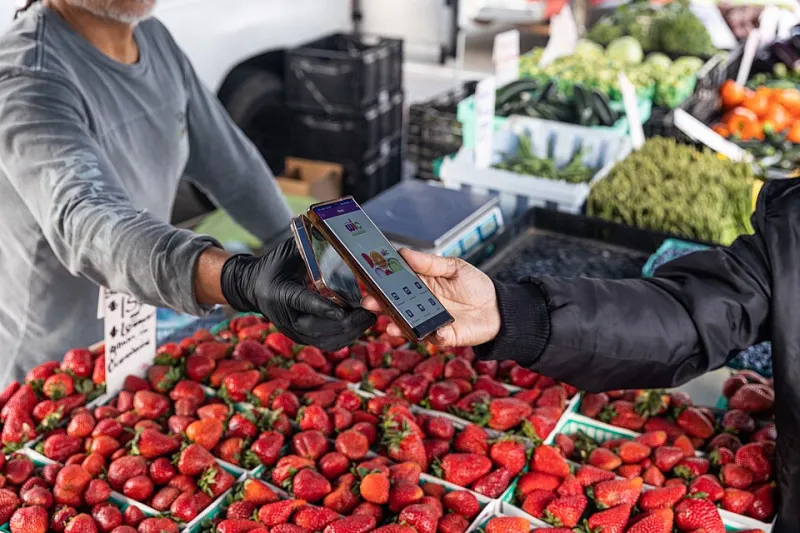
Photo: USDAgov, Public domain, via Wikimedia Commons
For decades, the economics of independent crop consulting followed a simple rule: the service only penciled out on big acreage. A consultant visiting a 500-acre farm a dozen times a season could not possibly charge enough to make the math work, so expert agronomic attention became, in effect, a luxury good for large operations.
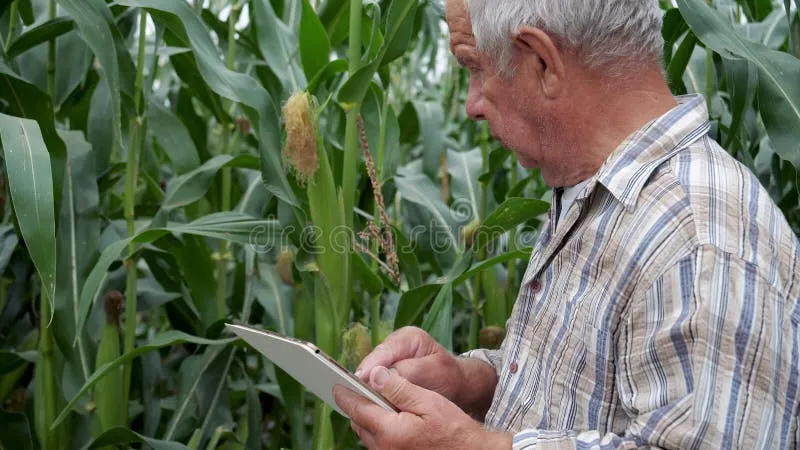
Subscription agronomy platforms are breaking that rule. For a flat monthly fee — often between $1 and $3 per acre — a growing roster of companies now bundles satellite imagery, algorithmic scouting alerts, variable-rate seeding and nitrogen prescriptions, and access to a human agronomist by phone. The pitch is seductive: your whole farm, watched every day, for less than one traditional walk-through per month.
The Genuine Democratization
There is no denying who benefits most. Growers who could never attract a traditional independent consultant — the 300-acre operation, the beginning farmer, the diversified grower outside the Corn Belt — now get a level of monitoring that was structurally out of reach five years ago.
One Kansas wheat and sorghum producer who made the switch describes it plainly: "My old consultant came three times a year and cost me more than this does. The app caught a patch of Russian thistle in July that I'd have found in September, too late. That one alert paid the annual fee."
The model also disciplines the consulting industry in ways worth applauding. Traditional consultants now compete against services that document every recommendation, track outcomes field-by-field, and publish response times. That competitive pressure is improving the product for everyone, subscribed or not.
The Fine Print Nobody Reads at Planting
But the flat fee has a companion that rarely makes the sales pitch: the ecosystem lock-in.
These platforms are not selling agronomy so much as accumulating proprietary field data — and the terms of service governing that data frequently allow the provider to aggregate it, model on it, and in some cases use it to steer input recommendations toward commercial partners. A grower who spends five seasons building a prescription history inside one platform faces a real cost, practical and informational, in leaving it. The data deed problem — who owns a farm's agronomic memory — has migrated from the equipment cab to the subscription agreement.
There is also the question of what a remote algorithm cannot see. Several growers who tried and abandoned subscription agronomy cited the same failure mode: the platform's prescriptions were competent but generic, tuned to regional averages rather than the specific quirks of a drainage issue or an old fencerow the satellite had never been told about.
"It was right about eighty percent of my farm," an Indiana grower who reverted to a human consultant told me. "The problem is I don't know which eighty percent until it's wrong."
A Hybrid Future, With Conditions
The most sensible reading of the trend is not that subscription platforms will replace independent consultants, but that they will split the work. Algorithmic monitoring and routine prescriptions will migrate to the flat-fee services; human judgment — the walk, the phone call, the knowledge of why field 7 floods — will command a premium, likely a rising one.
Growers evaluating these platforms should ask three questions before signing: Who owns my raw data, and can I export it in a usable format if I cancel? Are recommendations tied to any input supplier? And what happens to my prescription history if the company is acquired or folds?
Subscription agronomy is, on balance, a win for the under-served majority of American farms. But a consultant you can cancel with a click is also a consultant whose incentives you should verify before the autopay does its work. Democratized expertise is only democratizing if the exit door stays open.