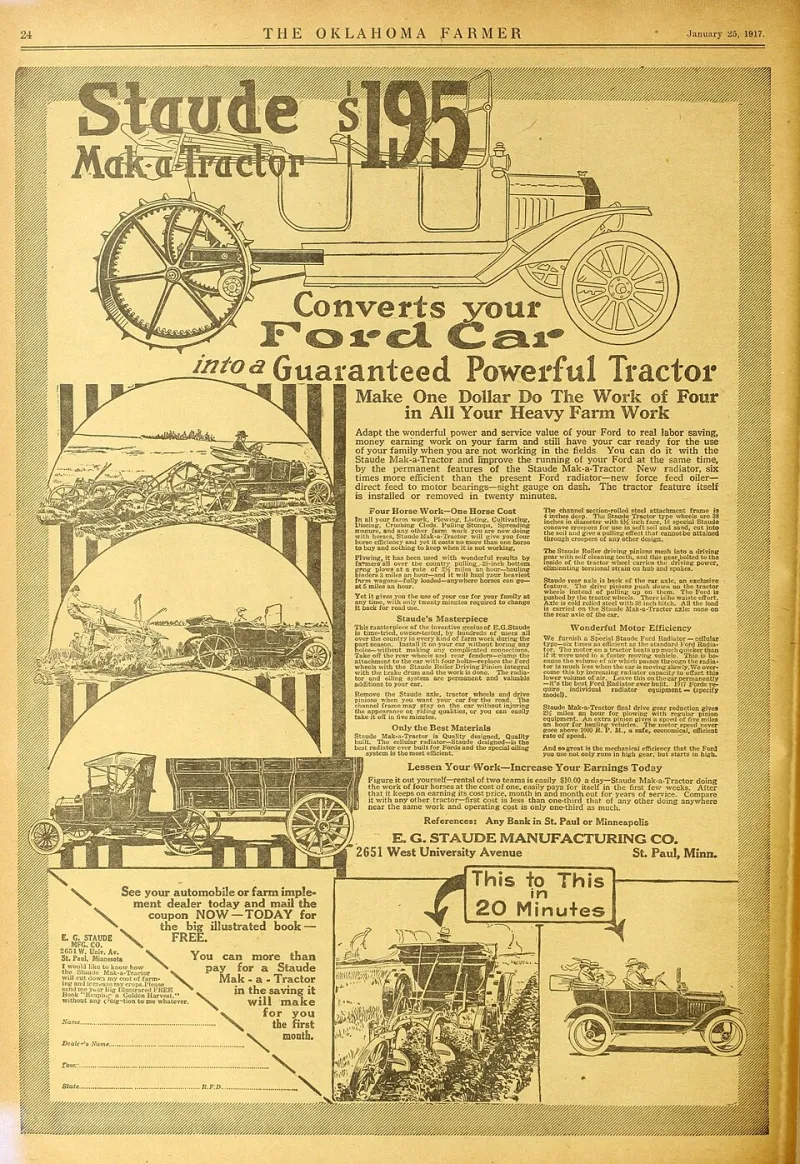
Thirty Years of 'Next Season' Promises: A Veteran Agronomist's Scorecard on Precision Ag Hype
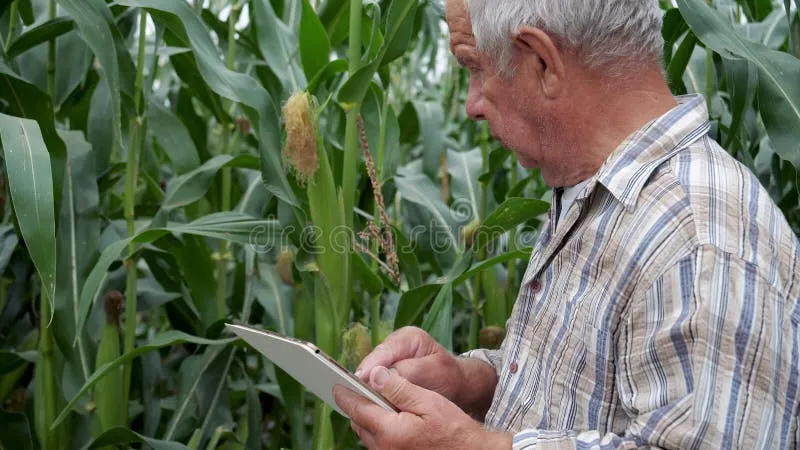
Photo: older farmer consultant reviewing tablet computer in corn field, via thumbs.dreamstime.com
I spent the better part of thirty years walking fields for hire, first as a co-op agronomist in central Illinois and later as an independent consultant serving growers from the Ohio River to the Red River Valley. In that time, I have been pitched everything from soil sensors the size of a thermos to cloud platforms that swore they could predict October basis from a June satellite pass.
Most of it did not work as advertised. Some of it worked eventually. A surprising amount of it is being repackaged and resold right now with the word "AI" stapled to the brochure. Having retired from consulting last spring, I find I no longer have a financial stake in being diplomatic. So consider this my scorecard.
Promise One: Yield Prediction That Actually Predicts
Every few years, a company arrives claiming its model can forecast corn yields within a few bushels per acre by mid-July. I have sat through these presentations since the late 1990s, when the forecasts came from aerial photography, and now when they come from machine learning models trained on multispectral imagery.
The honest truth is that a July yield estimate is a weather bet. A model can be impressively accurate in a season with normal rainfall and badly wrong when an August dry spell or a derecho rewrites the script — which, in the Midwest, happens more often than not. Vendors know this, which is why their case studies are always from the previous, favorable year.
What growers should demand: a published track record across multiple growing seasons and geographies, with error bars, before paying a subscription. If the company will not show you its misses, it is selling you a highlight reel.
Promise Two: Prescriptive Planting Rates That Pay for Themselves
Variable-rate seeding is one of precision agriculture's most durable promises, and in fairness, it works in some situations — particularly where a field contains genuine, stable zones of productivity difference. But the prescriptive planting apps that promise to "optimize every acre" frequently generate recommendations that differ from a grower's own flat rate by only a few thousand seeds, and the economic edge can evaporate inside the noise of a single bad stand of emergence.
The question I always asked consultants pushing these programs was simple: show me your validation strips. If a prescription cannot beat a flat rate in side-by-side trials on your own ground, over at least two years, it is a science project, not a management tool. Some growers will still find value; many will not, and the subscription will quietly renew in January.
Promise Three: The Dashboard That Replaces the Walk
Remote monitoring dashboards are genuinely useful for irrigation management, bin monitoring, and equipment health. I will not argue otherwise. But a recurring claim in this space — that telematics and imagery can substitute for scouting — has never survived contact with a real growing season.
A satellite image can tell you a soybean field is stressed. It cannot tell you whether the culprit is soybean cyst nematode, compaction from last fall's combine, or a herbicide carryover issue. Diagnosis still requires boots in the field, and growers who internalize that will use dashboards as a routing tool rather than a replacement for agronomy. The vendors who admit this openly deserve your business more than the ones who do not.
Promise Four: Interoperability That Never Quite Arrives
Since the early 2000s, growers have been promised that their precision systems would talk to each other. The mixed-fleet reality — a John Deere monitor, a Case IH planter, a Trimble receiver — remains a wiring-harness headache, and much of the data flow between platforms still runs through third-party conversion services that charge for the privilege.
The industry's own data standards initiatives have made real progress, but "plug and play" remains aspirational for most operations. Before buying any platform, ask specifically which brands of equipment and which file formats it ingests natively, and get the answer in writing. Then ask what happens to your data if the company is acquired or folds — a question that has become more urgent, not less, as the ag-tech sector consolidates.
Promise Five: The ROI Calculator That Assumes Perfect Conditions
Nearly every precision ag purchase is justified with a return-on-investment calculator, and nearly every one of those calculators assumes full utilization, favorable commodity prices, and zero learning curve. The software subscription that pencils out at $8 per acre assumes you will use every feature, every season, for the length of the contract.
My advice, drawn from watching hundreds of these purchases play out: budget for half the projected benefit in year one, and treat anything above that as a bonus. Better yet, start with a single-field trial before committing the whole operation.
What Growers Should Ask For
None of this is an argument against precision agriculture. Autosteer, section control, and yield monitoring have earned their place on American farms many times over. My complaint is with the salesmanship that surrounds the genuinely useful tools and buries them under promises that never ship.
The demand every grower should make is the same one I made for thirty years: multi-year, multi-location, independently verified performance data — and the freedom to walk away when it is not delivered. Companies confident in their technology will provide it. The rest are counting on the fact that you will be too busy in planting season to check.