Fine Print After the Storm: What Your Policy Really Says About That $400,000 Planter
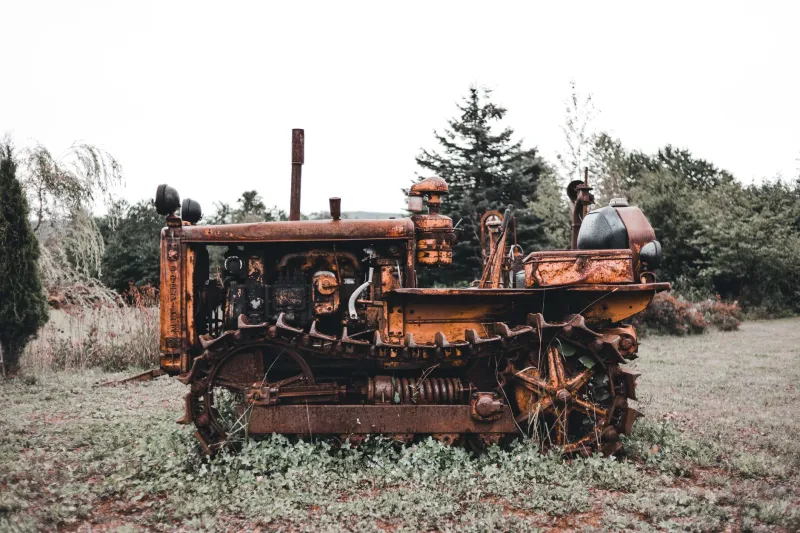
The claim seemed straightforward. A June hailstorm in central Iowa had mangled a planter that carried more than $400,000 in row units, hydraulic drives, and factory-installed precision hardware. The grower filed, the adjuster came out, and the check arrived weeks later — noticeably short of what it would take to replace the machine as configured.
The shortfall wasn't the planter. It was everything bolted to it.
The Hardware That Falls Between the Lines
Most standard farm equipment policies were written for an era when a planter was a planter. Today's machines carry GPS receivers, rate controllers, row shutoff systems, and displays that can individually represent five figures of value. When those components are listed only as "attachments," coverage becomes a matter of interpretation — and interpretation tends to favor the carrier.
"The single most common dispute we see is whether the monitor and guidance components were scheduled or just implied," says one Midwest independent agent who asked not to be named because of carrier relationships. "If it's not itemized somewhere, the grower is arguing valuation from memory after the fact."
Independent agents interviewed for this article describe a consistent pattern: hardware added after purchase — retrofit sections, aftermarket clutches, upgraded receivers — frequently never makes it onto the policy at all.
Subscriptions Don't Survive the Loss Either
There's a second gap that surprises even well-insured operations. Software subscriptions, data services, and connectivity packages are recurring costs, not assets. When a machine is destroyed mid-season, replacement is one problem; re-establishing the agronomic data layer that machine fed is another, and no standard policy contemplates it.
Several growers who filed claims in the past two seasons report paying out of pocket to re-pair displays, re-license software, and rebuild prescription files — costs that never appeared on any settlement sheet.
What a Tech-Equipped Farm Should Have in Place
Agents and growers who've been through the process converge on a short list:
- A scheduled equipment endorsement that itemizes precision components by make, model, and serial number rather than folding them into a blanket figure.
- Photographic and purchase documentation for every retrofit, updated annually — ideally stored off-farm in cloud storage the family can access.
- A written inventory of software and data services, including subscription terms, so restoration costs can be negotiated rather than absorbed.
- Theft-specific provisions for portable hardware. Handhelds, tablets, and small receivers are the most commonly stolen items on American farms, and they're also the least likely to be individually listed.
One Nebraska grower who lost two displays and a receiver to a shop break-in puts it bluntly: "The insurance conversation you didn't have in February is the one you'll be having with an adjuster in July."
Before Planting Season, Not After
The window to fix this is now, while the shop is quiet and nothing is broken. A one-hour review with your agent — walking the planter, the sprayer, and the combine with the policy open — costs nothing and closes the gap between what the equipment is worth and what the paperwork says it is.
Precision agriculture has made the modern farm more productive and more valuable per acre. It has also made the insurance question more complicated. The growers who treat their coverage with the same rigor as their seeding prescriptions are the ones who won't be surprised when the sky falls — literally.