Hiring the Hybrid: Seven Competencies That Separate Precision Ag Specialists From Expensive Résumés
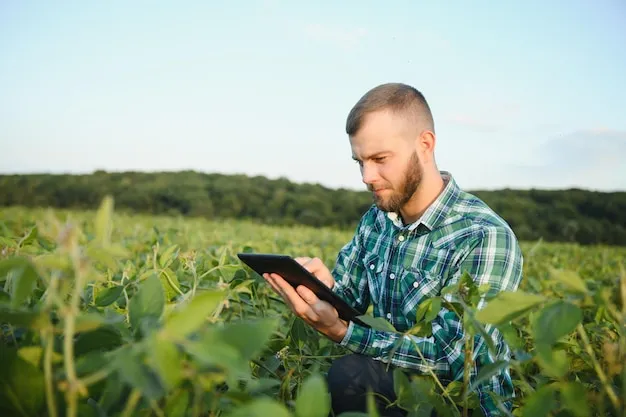
Photo: agronomist with tablet computer inspecting crops in farm field, via img.freepik.com
A co-op manager in western Iowa tells the same story at every hiring roundtable: two years ago he brought on a sharp young graduate with a data analytics degree, a strong portfolio, and no idea what a soil test report was telling him. Eighteen months and one difficult conversation later, the position was open again.
The problem wasn't intelligence or effort. It was fit. Precision agriculture roles on working farms and at co-ops are hybrid jobs — part agronomist, part technician, part customer-facing troubleshooter — and most hiring processes are built to evaluate only one of those parts.
Drawing on conversations with growers, co-op managers, and recent hires across the Midwest, here are the seven competencies that consistently predict success.
1. Agronomic Literacy
Can the candidate read a soil test and translate it into a recommendation conversation? Not write the recommendation — interpret it. A specialist who can't tell you why variable-rate seeding maps look the way they do will build impressive dashboards that tell growers nothing. Ask candidates to walk you through a real soil report during the interview. The good ones light up.
2. Field-Ready Troubleshooting
Software support lines close. Planting doesn't. The hire who matters is the one who can swap a receiver, reset a display, and diagnose a cabling fault in a dust-choked cab while the planter waits. Ask: "Tell me about a time you fixed something with no manual and no signal." Vague answers here are a red flag.
3. Translating Data for People Who Never Asked for It
Growers don't want analytics; they want decisions. The best specialists compress yield maps, as-applied records, and weather data into a ten-minute conversation that ends with a practical choice. Test this directly: have candidates explain a complicated concept to you as if you were a skeptical 60-year-old producer.
4. Calm Under Seasonal Clock Pressure
Everything in this job happens when it's least convenient. Candidates who've worked harvest, custom application, or any seasonally brutal job tend to handle the pressure. Those who haven't often underestimate it. Ask what they did between May and November of their last role.
5. Equipment Fluency Across Brands
Real-world operations run mixed fleets — a Deere display here, a Case IH monitor there, a third-party controller in the tender truck. Specialists who only know one ecosystem create friction every season. Probe for experience with at least two platforms and an attitude of curiosity toward the rest.
6. Data Hygiene and Documentation
The unglamorous skill. Boundary files that are wrong, as-applied logs that don't match the scale tickets, calibration records nobody wrote down — bad data hygiene quietly erodes the value of every precision investment a farm has made. Ask candidates how they'd organize three years of a farm's agronomic records. There's no single right answer, but "I'd figure it out as I go" is the wrong one.
7. Humility About the Machine
The best precision ag hires treat the grower's operational knowledge as the primary dataset. The worst arrive to optimize people who've farmed for forty years. In interviews, listen for whether candidates ask questions about the operation before proposing solutions.
What the Job Pays
Benchmarks from recent co-op and farm-posted roles put entry-level precision ag specialists in the $48,000–$62,000 range across the Corn Belt, with experienced specialists commanding $70,000–$90,000 or more, particularly with agronomy certifications and dealer-network training. Roles combining agronomy responsibilities trend toward the higher end.
The Bottom Line
The expensive mismatch isn't the candidate who lacks a skill — skills can be trained. It's the candidate who lacks the field temperament: the willingness to be covered in dust at 5 a.m. solving a problem that has both a software fix and a human one. Hire for the hybrid, and the technology takes care of itself.