Ground Truth or Sales Pitch? What It Actually Costs to Put an Ag Drone to Work
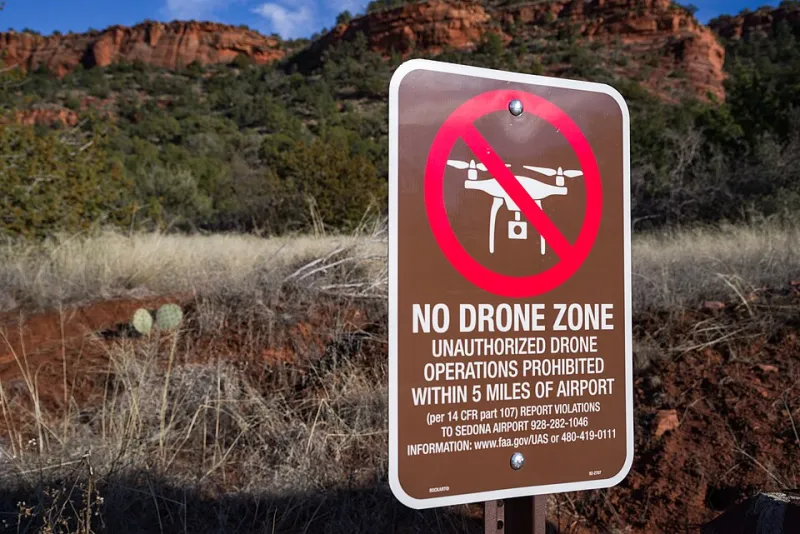
Photo: Coconino National Forest, Public domain, via Wikimedia Commons
Every farm show seems to end the same way: a grower standing in front of a $12,000 drone package, half sold, half skeptical. The pitch is familiar — fly your fields in minutes, catch problems before they spread, spray only where it counts. The question that matters, though, is simpler than the marketing. Does the math work on a real American farm?
The Scouting Math Comes First
Start with the job drones replace. A 2,500-acre row-crop operation in central Iowa might require a full day of windshield scouting during peak season — checking corn for nitrogen deficiency, soybeans for spider mites, field edges for tar spot. At 12 miles per hour on gravel roads, the pickup-truck scout covers maybe 600 acres a day with any real attention.
An operator with a multispectral-equipped quadcopter can image those 2,500 acres in a morning and review the orthomosaic maps over coffee. That time savings is real, but it only converts to dollars if someone acts on it. Growers who fly but never translate imagery into a fungicide decision or a variable-rate prescription are buying a very expensive photo album.
Early adopters in Iowa tend to report the same pattern: the drone earns its keep not by replacing scouting, but by changing where the scout walks. Instead of covering the whole farm, agronomists go straight to the red zones on the NDVI map. Fewer wasted hours, earlier detection, better targeting.
Spot-Spraying: Where the Numbers Get Interesting
Specialty crop operations see a different value proposition. In California almond country, where a single block might run 160 acres of tight rows, drones equipped for targeted spraying are changing the herbicide and fungicide conversation.
Consider a realistic scenario: a grower dealing with a pocket of phytophthora or weed pressure along a berm. Conventional ground rigs or aerial applicators treat the whole block. A spray drone treats the affected rows. On inputs alone, targeted applications routinely cut product use 30 to 70 percent on the treated area — and the treated area itself shrinks dramatically.
The savings compound in specialty crops where an acre of almonds generates serious revenue and every avoidable pass protects soil structure and irrigation infrastructure. Row-crop growers see thinner margins on spot-spraying savings, but on 2,000-plus acres, even modest reductions in a post-emerge herbicide program add up quickly.
The Costs Nobody Puts in the Brochure
Now the honest ledger. FAA Part 107 certification is the entry fee — study time, a written exam, and recurring currency requirements. Growers moving into spray drones face heavier paperwork: Part 137 expectations, aircraft registration, and in many cases working with an operator who holds the right exemptions.
Then there's maintenance. Drones are aircraft, and aircraft break. Batteries are consumables running $200 to $400 each with cycle limits. Props, motors, and gimbal repairs arrive with uncomfortable frequency for anyone flying dusty summer conditions. Budget $1,500 to $3,000 annually for upkeep on a working platform, and more if you're flying spray missions.
Insurance, software subscriptions for mapping and prescription tools, and the learning curve all add drag. The drone that sits in the office because nobody had time to fly it is the most expensive drone of all.
A Buyer's Decision Checklist
Before signing anything, work through these questions:
- Do you have a decision to make with the data? If imagery won't change what you do this season, the drone is a hobby.
- Can you commit 40-plus hours of flight and processing time per season? Drones reward operators, not owners.
- What's your scouting bottleneck today? If you or your agronomist already cover ground efficiently, the marginal gain shrinks.
- Have you priced the full stack? Airframe, sensors, batteries, software, training, insurance, and repairs — not just the sticker on the box.
- Would a service provider work for year one? Many growers in Iowa and California start with a custom operator before buying hardware, which is often the smartest first step.
The Verdict
Ag drones have crossed the threshold from novelty to tool — but not to replacement. They haven't retired the pickup truck; they've changed its route. For growers with large acreages, heterogeneous ground, or high-value specialty blocks, the return on a well-run drone program is real and measurable. For everyone else, the honest answer is that a $12,000 package is a bet on management discipline, not a machine that prints money.
Fly a season with a provider, run your own numbers, and let the field data — not the trade show floor — make the call.