Three Harvests, One Combine: A Nebraska Case Study in the Cost of Closed Diagnostics
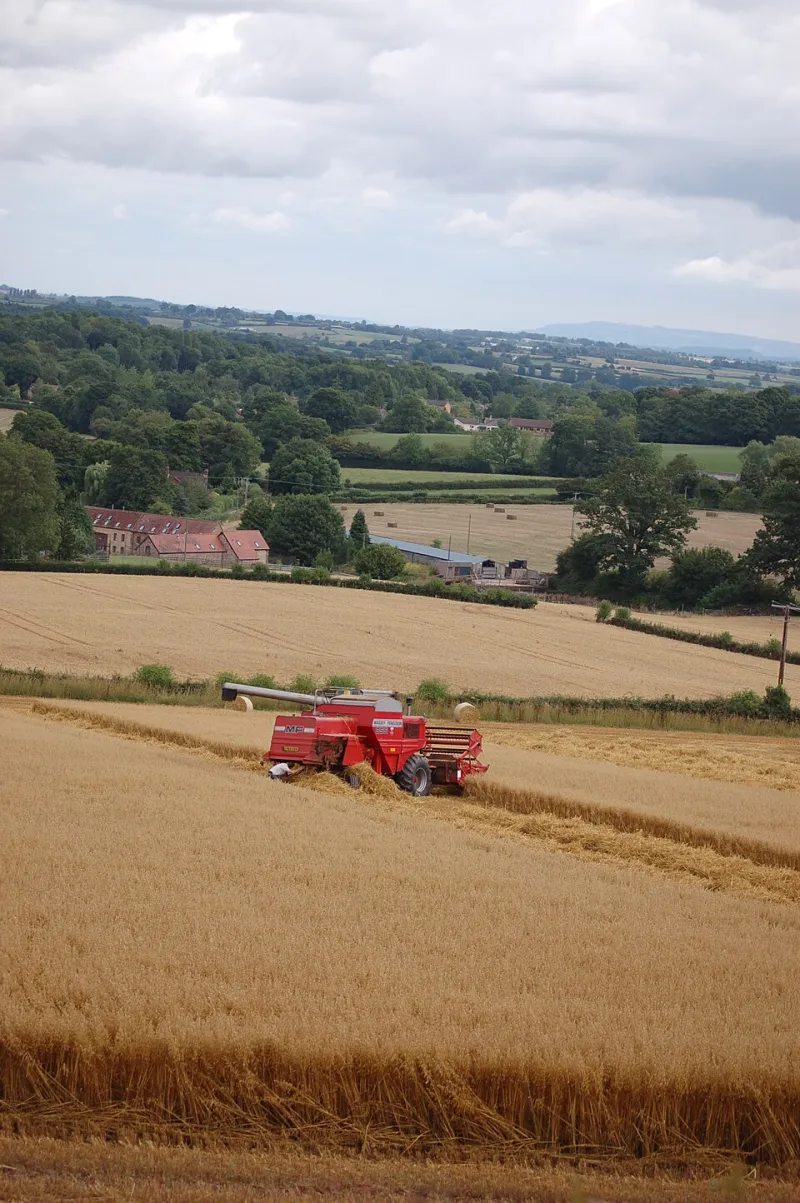
Photo: Roger Davies , CC BY-SA 2.0, via Wikimedia Commons
The machine in question is a 2019 Class 8 rotary combine running 2,300 acres of corn and soybeans near York, Nebraska. Its owner — who asked to be identified only as Dale — keeps meticulous records, which is precisely why his operation makes for an unusual and useful case study. Over three consecutive harvests, Dale logged every fault code event, every phone call to the dealer, every hour the machine sat idle waiting for a technician. What his ledger reveals is a quiet, compounding tax on productivity that rarely appears in any equipment purchase agreement.
The First Season: A Warning Light and a Two-Day Wait
The trouble began in October of year one, with 400 acres of corn left standing. A sensor fault triggered a derate, and the machine's proprietary display offered a code — a string of numbers and letters that meant nothing without the manufacturer's service software. The local dealer's earliest available diagnostic appointment: two and a half days out.
Dale finished the field running below capacity, burning extra fuel and leaving yield on the table. The eventual fix took a technician twenty minutes. The part, a moisture compensation sensor, cost $180. The downtime cost him closer to $4,000 in lost harvesting capacity at custom rates — and that was the year the weather cooperated.
Year Two: The Pattern Emerges
The second season brought three separate fault events, all concentrated in the critical two-week window when his soybeans were at ideal moisture. Each followed the same script: cryptic code, dealer call, wait. In one instance, the diagnostic technician arrived with a laptop only to discover the software license on his ruggedized tablet had lapsed — a subscription issue on the dealership side that added another day of delay.
Dale's running total across two seasons: roughly 62 hours of avoidable downtime, an estimated $11,500 in capacity losses, and a growing conviction that the most expensive component on his combine was not the engine but the locked service ecosystem wrapped around it.
What the Numbers Say
Industry estimates put harvest downtime costs at $400 to $900 per hour for a late-model Class 8 combine, depending on crop value and weather pressure. Against that baseline, even modest diagnostic delays become material. A 24-hour wait on a $150 sensor failure can erase the savings of an entire season's precision-ag investment in yield mapping and variable-rate application.
The deeper issue is asymmetry. Telematics data flows freely from the machine to the manufacturer — feeding predictive maintenance programs and, increasingly, proprietary analytics products. But the fault diagnostics that would let an independent shop or the grower himself respond quickly remain gated behind dealer-exclusive software subscriptions that can run several thousand dollars annually.
The Right-to-Repair Counteroffensive
Change is arriving, unevenly. Nebraska — fittingly, Dale's home state — was among the first states to pass a right-to-repair framework for farm equipment, and the 2023 memorandum of understanding between major manufacturers and the American Farm Bureau has nominally expanded access to diagnostic tools. Aftermarket diagnostic platforms and third-party telematics bridges have matured as well, and several now claim coverage for the same fault code libraries that once required a dealer visit.
Dale tested one such tool before last season. It successfully read and cleared roughly 80 percent of the codes his combine threw during harvest — including the recurring sensor fault from year one. The remaining 20 percent, tied to emissions and powertrain systems, still required the dealer. His downtime across the most recent harvest: under nine hours, down from 62 across the prior two.
The Takeaway for Growers Still Shopping
Dale's ledger suggests three practical lessons. First, when evaluating a combine purchase or trade, ask pointed questions about diagnostic access — not just warranty length. Second, budget for an independent diagnostic tool as seriously as you budget for guidance subscriptions; the payback period on Dale's unit was a single season. Third, document everything, because the industry's math on downtime only changes when growers can present their own.
Closed ecosystems were built into the machine. But the decision to absorb their costs — or to route around them — remains, for now, in the operator's seat.